

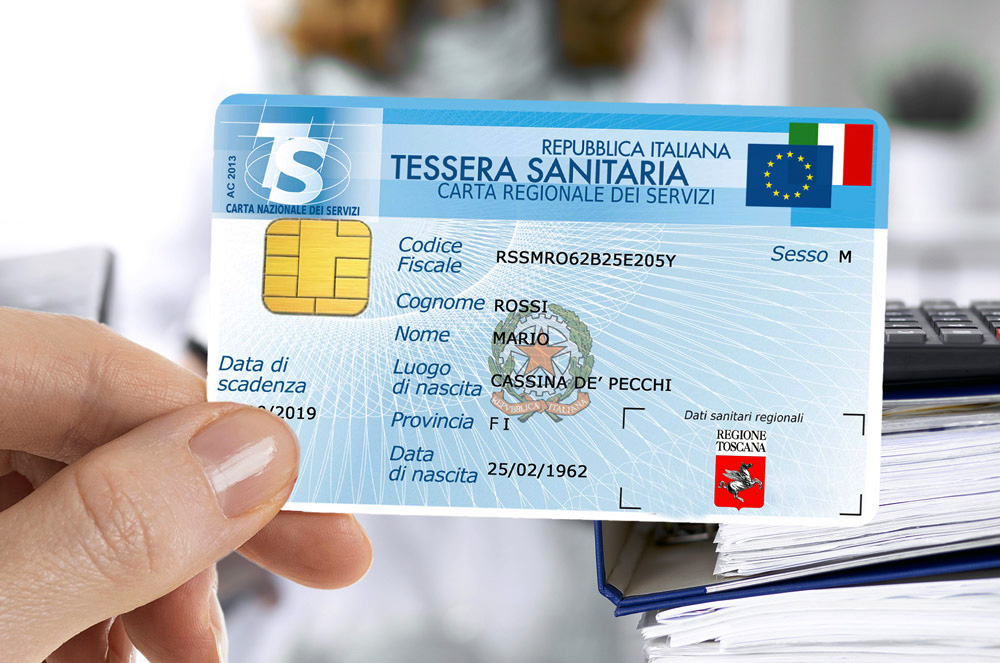
If you are moving to Italy to study, one of the first things you will hear about is the codice fiscale (tax code). But what exactly is it, and why is it so important? In this guide, we explain in simple terms what it is used for and when you will need it.
What is the codice fiscale?
The codice fiscale is a 16-character alphanumeric code that identifies every person in Italy. It is similar to the “tax number” or “social security number” used in other countries.
It is issued free of charge by the Agenzia delle Entrate (Italian Revenue Agency) and is essential for carrying out most bureaucratic procedures.
Codice fiscale: use cases
The codice fiscale is not just an identification number: it is the key that allows you to access almost all public and private services. Without it, many everyday activities become impossible or extremely complicated. Here’s a detailed look at the main situations where you will need it:
University and Student Life
- University enrollment: required to complete the registration process and to pay tuition fees.
- Scholarships: if you want to apply for financial aid, the codice fiscale is mandatory.
Daily Life
- Renting accommodation: to sign a rental contract, the codice fiscale is essential. It ensures that the contract is legally registered and that you are protected.
- Utilities: if you want to activate electricity, gas, or internet in your apartment, providers will ask for your codice fiscale.
- Phone services: also required to buy a SIM card or activate a mobile subscription.
Money Management
- Bank or postal account: without the codice fiscale you cannot open an account, receive transfers, or manage your savings in Italy.
- Official payments: it is also required to receive salaries from part-time jobs or to pay taxes and fees.
Healthcare
- National Health Service (SSN): you need it to access a general practitioner, book appointments, purchase prescription medicines, and obtain the Health Card.
Work
- Employment contracts: every employer, even for occasional work, requires the codice fiscale to formalize your position.
- Internships: both university and company internships also require this document.
Other Everyday Situations
- Specific purchases: for example, to buy electronic products in installments or to sign insurance policies.
- Shipments: some couriers or Italian e-commerce services request the codice fiscale to complete a purchase.
In short: it is your “all-access pass” to live in Italy legally and without complications.
How to get it
If you are an international student, you can request your codice fiscale:
- Before arriving in Italy, through the Italian consulate in your home country.
- After your arrival, directly at the offices of the Agenzia delle Entrate (bring your passport and residence permit, or the receipt of your application).
Issuance is free and usually immediate.
Why is it so important?
Many international students underestimate the codice fiscale and try to “put it off.” In reality, without it you risk blocking your entire experience in Italy: you cannot rent a place, you cannot enroll at university properly, and you cannot open a bank account.
Getting it right away means saving time and avoiding problems.
Contact us for assistance with your tax code.